
Category: Drilling & Fastening
-
How Long Can a Cordless Drill Battery Last?
You can expect a cordless drill battery to last anywhere from a few months to several years, depending on factors such as the type of battery, usage patterns, and storage conditions. Lithium-Ion batteries, for instance, offer high energy density and long cycle life, while Nickel-Cadmium batteries are more durable but heavier. Proper care, including avoiding
-
Can Cordless Drills Drill Metal?
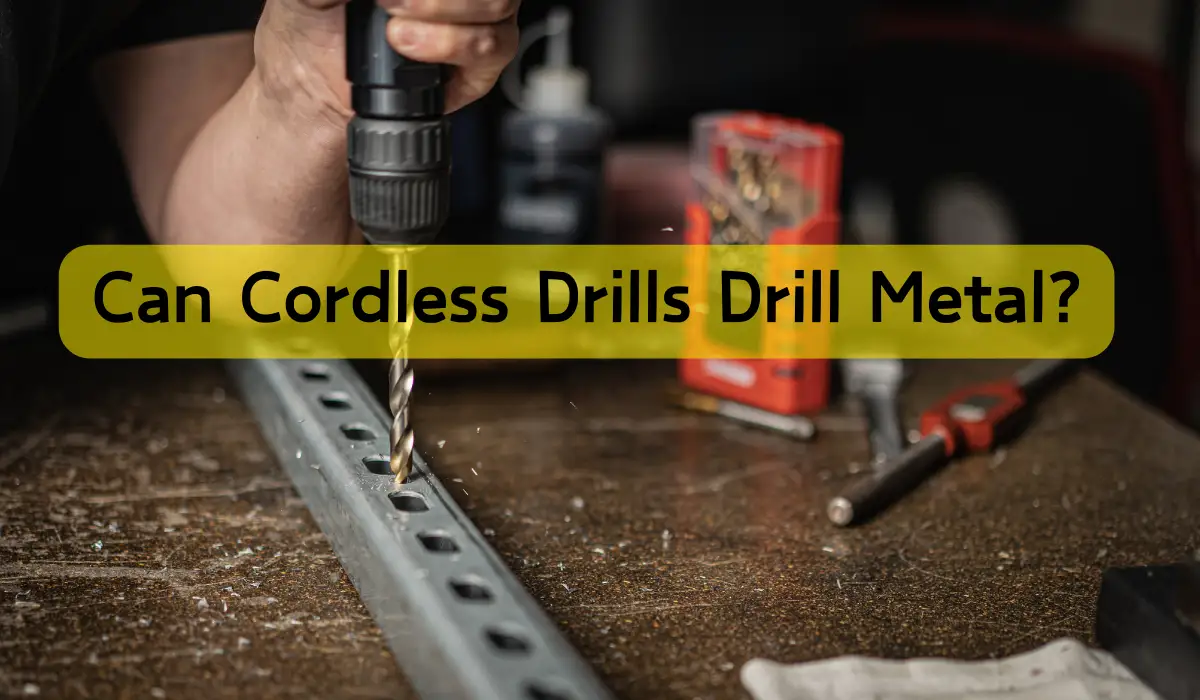
You can drill through metal with a cordless drill, but it requires the right combination of power, speed, and torque, as well as the correct drill bit selection and understanding of metal thickness and drill ability. You’ll need a drill with sufficient power and speed to efficiently penetrate metal, and choosing the right drill bit
-
Can a Cordless Drill Get Wet?
You can use your cordless drill in damp or wet conditions, but it’s essential to understand its water resistance limits to prevent damage. Check your drill’s IP rating to know its level of protection against water exposure. A higher rating means better protection, but it’s still important to handle the drill safely in wet conditions.
-
Are Cordless Drills Powerful Enough?
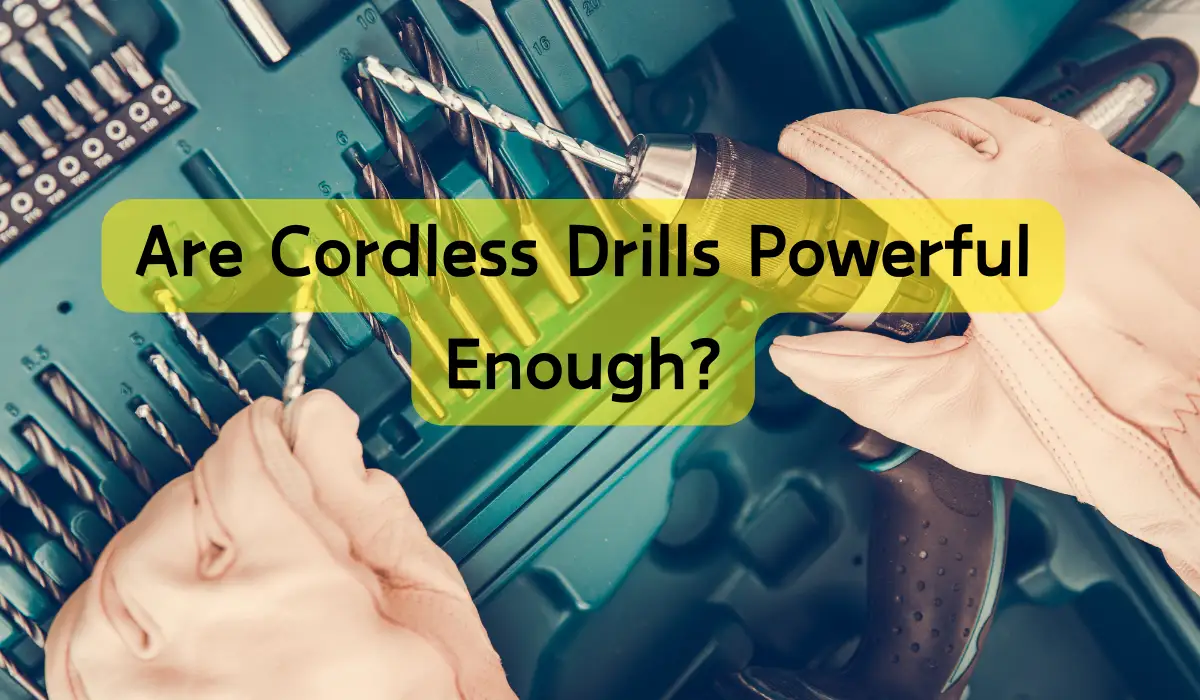
You’ll be surprised to learn that modern cordless drills have closed the power gap with their corded counterparts, offering enough oomph to tackle heavy-duty projects, thanks to advancements in battery technology and motor design. With brushless motors providing more power and efficiency, cordless drills can handle demanding tasks. Real-world testing proves they can drive large
-

Are Cordless Drills Powerful Enough for Masonry?
You can tackle demanding masonry tasks with a cordless drill, but only if it packs enough power, specifically a minimum of 18V or 500W, to handle dense materials like concrete and brick. Look for a drill with a higher wattage or voltage rating to tackle tougher masonry tasks. Brushless motors and advanced battery technology have
-
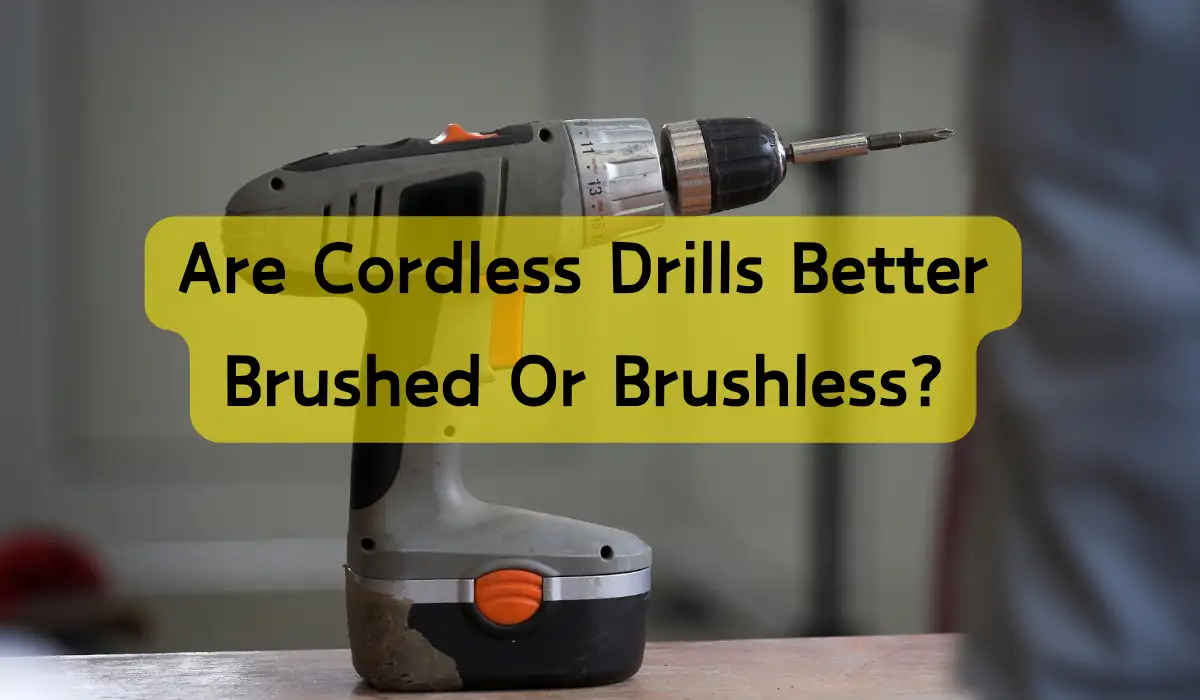
Are Cordless Drills Better Brushed or Brushless?
You’re wondering if your cordless drill is better off with a brushed or brushless motor. The answer lies in your needs and preferences. Brushed motors are affordable, easy to maintain, and suitable for light tasks, but they’re less efficient and more prone to wear and tear. Brushless motors, on the other hand, are more efficient,
-
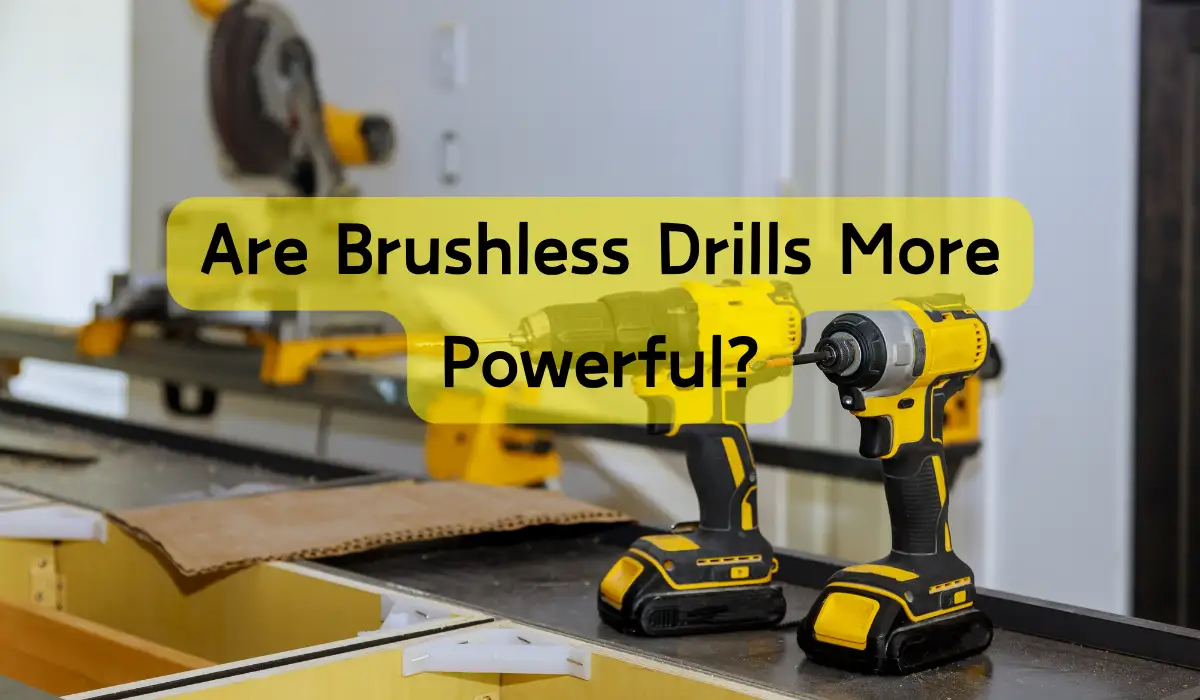
Are Brushless Drills More Powerful?
You’ll find that brushless drills generally outperform their brushed counterparts in respect to power and efficiency, thanks to advanced electronics that optimize energy distribution and minimize energy loss. Brushless motors eliminate the energy-wasting friction found in brushed motors, allowing them to deliver more power and torque, especially at low speeds. This makes them better suited
-
Cordless Drill Brushless vs Brushed Motors: How They Work and Key Differences
When it comes to cordless drills, you have two main options for the motor that powers these handy tools – brushed or brushless. But what exactly is the difference between brushed and brushless drill motors? And is one actually better than the other? In this blog post, you’ll learn how they work, key differences in